
What Do Yoga Teachers Mean When They Say "Engage Mula Bandha"?
If you've taken more than a handful of yoga classes, you've almost certainly heard the (probably slightly confusing) cue: "Engage Mula Bandha."
Usually, it arrives right before something that requires a little extra oomph.
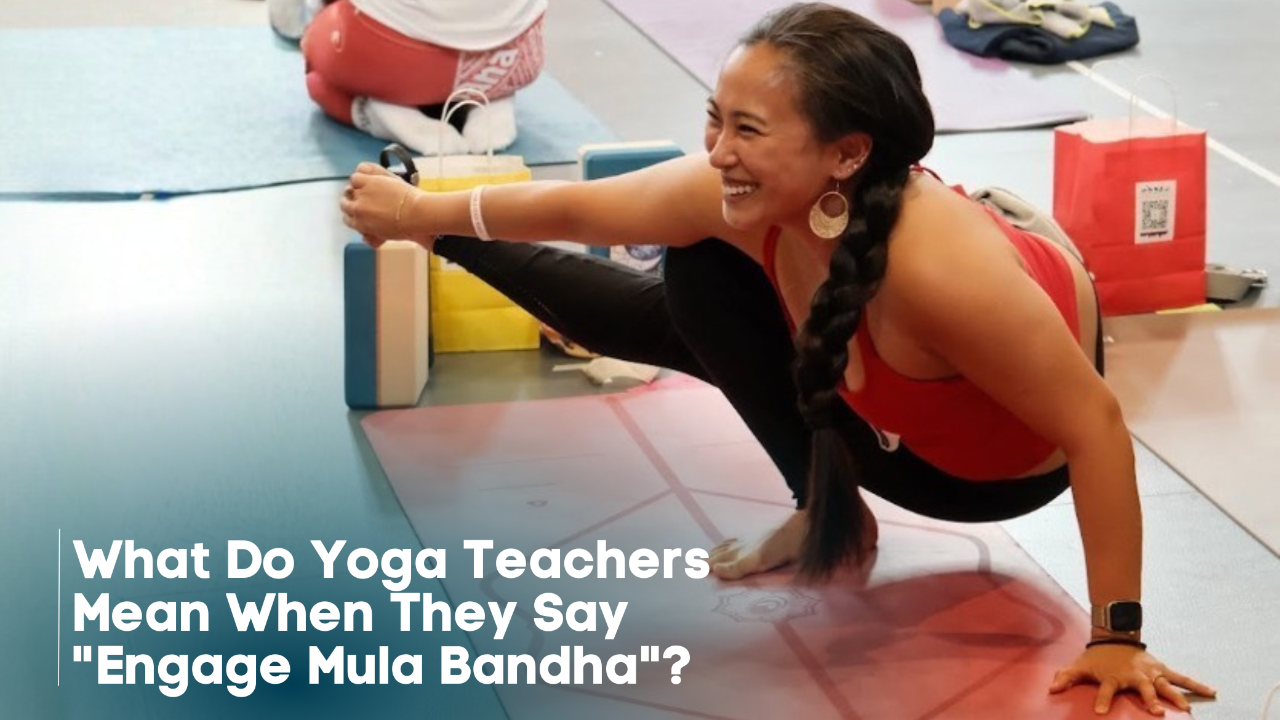
Maybe you're setting up for an arm balance. Maybe you're about to kick into Handstand. Maybe you're internally screaming in Boat Pose, wondering who hurt your yoga teacher.
So you do what most people do when they hear an "engage X" cue they don't fully understand.
You squeeze something. Because surely something down there is supposed to be doing something. Maybe your pelvic floor. Maybe your glutes. Maybe your lower abdominals. Maybe all three, just to cover all your bases.
But despite your best efforts, you're still not entirely sure what you're actually supposed to be doing or feeling.
"Engage Mula Bandha" is one of those cues that gets thrown around in yoga classes, but it's rarely explained in a way that helps students understand what they're doing, why they're doing it, or what they're actually trying to achieve.
So let's clear things up.
What are the bandhas?
To understand Mula Bandha, it helps to understand where the idea came from.
In the older yoga texts, bandhas weren't instructions for activating specific muscles during a yoga pose (even though that's often how they're taught today). They were subtle energetic practices connected to the breath, used to contain, direct, and regulate energy within the body.
The three you'll hear about most often in your regular yoga classes are Mula Bandha at the base of the pelvis, Uddiyana Bandha around the diaphragm, and Jalandhara Bandha at the throat.
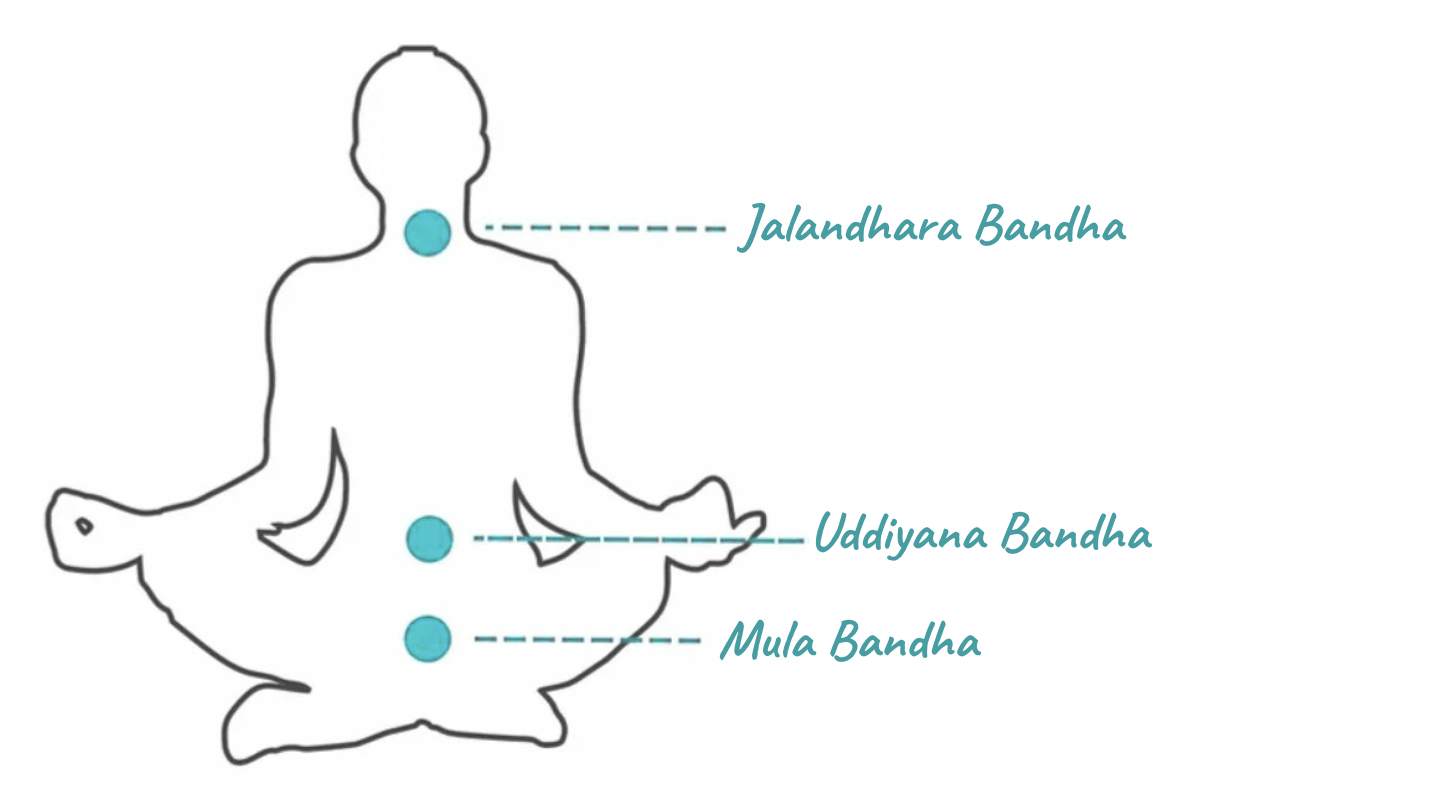
Together, they act like three internal seals within the torso. Their job was to help regulate pressure, contain the breath, and direct energy during pranayama.
In other words, they weren't originally part of the physical practice at all.
They belonged to breathwork.
That distinction matters because it explains why the cue "engage Mula Bandha" can feel so confusing today. We're taking an energetic practice that was designed for pranayama and applying it to movement.
So how did an energetic practice become a physical cue?
The idea of cueing students to "engage Mula Bandha" during Crow Pose or Handstand came later, as yoga evolved into the more physical practice most of us recognise today. Teachers began applying the same concepts to movement because they genuinely can help create more stability, lightness, and control in challenging poses.
But as the bandhas made their way into modern yoga, they became simplified. After all, it's much easier to tell someone to "lift your pelvic floor" than it is to ask them "to regulate internal pressure and direct energy" while they're trying not to faceplant in Crow Pose.
So subtle energetic ideas gradually became practical movement cues. Mula Bandha became: "Lift your pelvic floor."
It's a useful cue. But it's only part of the story.
So what are you actually trying to do?
When we hear "engage Mula Bandha," it's easy to assume we're supposed to contract one specific muscle as hard as we can. That's where much of the confusion starts.
Mula Bandha does involve the pelvic floor, but it isn't simply the same thing as doing a Kegel exercise.
Your pelvic floor is a group of muscles that forms the base of your pelvis. It supports your organs and works together with your diaphragm and abdominal muscles to help regulate pressure inside your torso.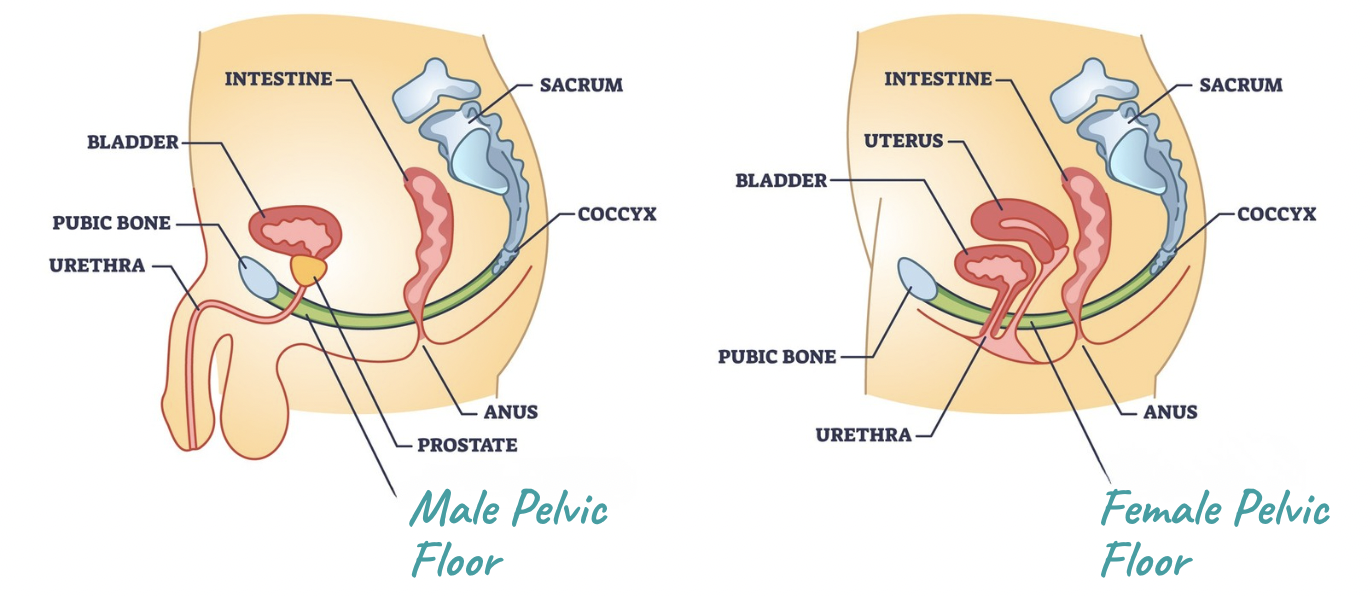
When your teacher asks you to engage Mula Bandha, the goal isn't to squeeze everything as hard as you can.
Instead, think about creating a gentle upward lift through the centre of your pelvic floor.
That upward quality is important.
A lot of students mistake Mula Bandha for clenching. They squeeze their glutes, brace their abdominals, tighten their jaw, and hold their breath because they're trying so hard to "engage" something.
But that's not what you're aiming for. Think lift, not squeeze.
Imagine you're gently drawing the centre of your pelvic floor upwards, almost as though you're lifting the space between your pubic bone and tailbone towards the crown of your head. The effort is subtle. It shouldn't feel like you're gripping your entire pelvis.
When you create that gentle lift, the pelvic floor works together with the rest of your core to create a more stable centre for movement.
That's one of the reasons Mula Bandha became so useful in physical yoga practice.
In arm balances, inversions, and other demanding poses, that feeling of internal support can make the body feel more connected, more stable, and often a little lighter.
So should you engage Mula Bandha?
Yes. But don't think of Mula Bandha as a magical switch that suddenly unlocks Crow Pose or Handstand. And don't think of it as a muscle you're supposed to squeeze as hard as you can. Instead, think of it as creating a subtle feeling of support from the centre of your body.
Like any skill in yoga, it becomes easier to recognise with practice rather than brute force.
Curious about the breath side of yoga?
If this article left you thinking, "Hang on... I want to understand that breath part too," I created a course for exactly that.
My brand new No Bullsh*t Pranayama course strips away the mysticism and explains how yogic breathing actually works - from the diaphragm and pressure systems to the bandhas, traditional pranayama techniques, and how they fit into modern yoga practice. Click here to check it out!
Want to learn more about the Bandhas?
Check out this video where I break down Mula Bandha and Uddiyana Bandha in a way that actually makes sense, and show you how these energetic locks can make arm balances, handstands, and inversions feel lighter, more stable, and much more connected.
